
How to Handle Ozempic Comments at Work Navigating office gossip, the easy way out stigma, and unsolicited opinions about your weight loss.

Managing Ozempic comments at work comes down to setting firm boundaries and refusing to debate your medical decisions.
You do not owe your colleagues an explanation for your changing body or your healthcare choices.
Key Takeaways
- Recognize that office gossip is about their discomfort, not your choices.
- Prepare short, neutral scripts to deflect unsolicited questions.
- Refuse to engage in debates about whether medication is cheating.
- Keep the focus on your professional role rather than your physical appearance.

Coach Claire Tip
You are treating a chronic metabolic condition. You do not need to perform suffering to validate your healthcare.
Losing weight on a GLP-1 medication is a highly visible process. When you spend forty hours a week with the same people, that physical transformation inevitably invites scrutiny.
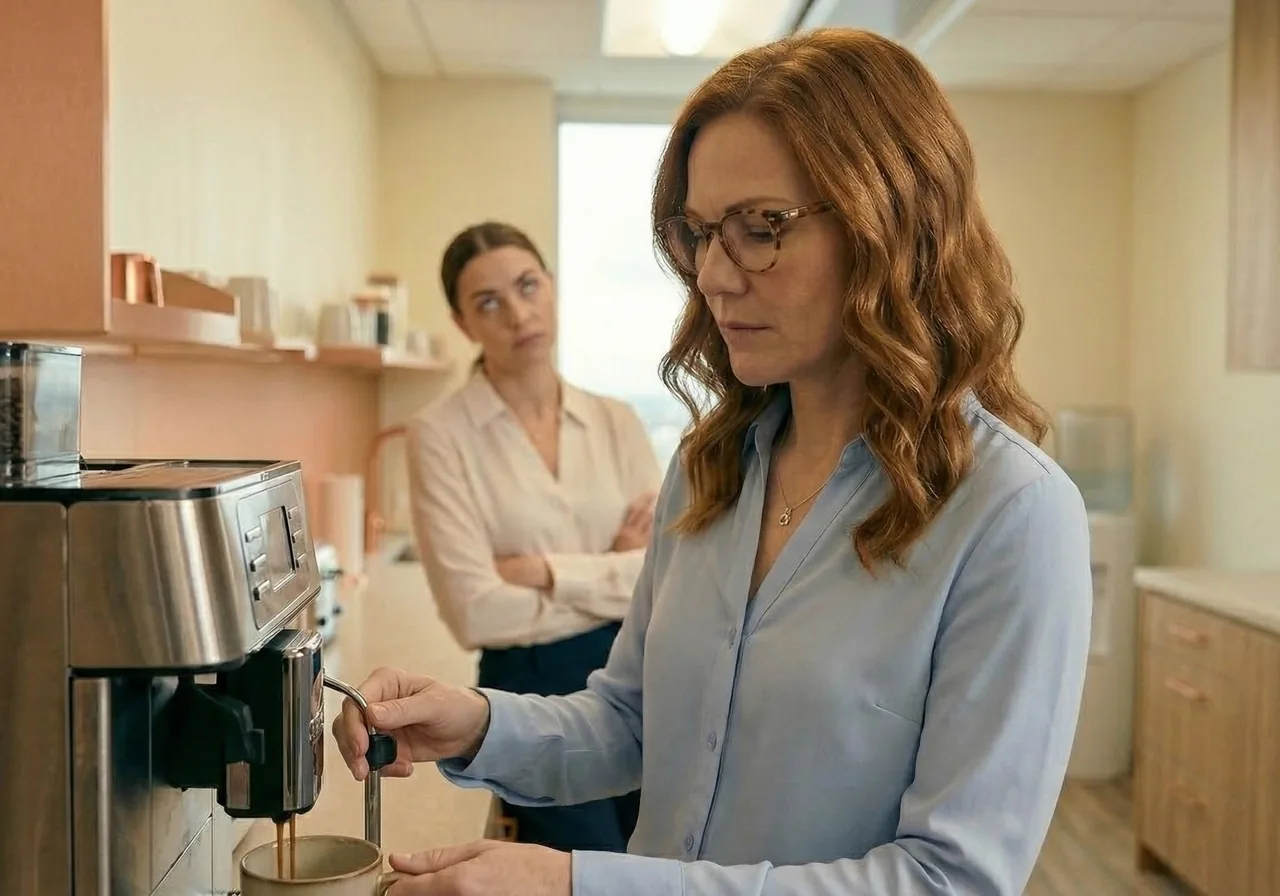
Suddenly, casual breakroom conversations turn into passive aggressive interrogations. You might notice whispered conversations stopping when you walk in, or colleagues wrapping their judgment in backhanded compliments about your new appearance. Plenty of readers describe this stretch as Ozempic workplace gossip.
Dealing with Ozempic comments at work requires a specific kind of emotional armor. You need a strategy to protect your peace, maintain professional boundaries, and shut down inappropriate questions before they escalate.
When getting Ozempic comments at work stops feeling like a private thought
What people are reacting to
Digital support groups are filled with people venting about the exact same workplace dynamics. The rapid nature of GLP-1 weight loss disrupts the social order of an office.


What that usually means underneath
- Pattern 1: Many users react with intense defensiveness, building mental arguments to compare GLP-1s to blood pressure medication.
- Pattern 2: Others advise keeping your medical history completely private to avoid the emotional labor of educating ignorant coworkers.
- Pattern 3: A growing number of people advocate for radical acceptance, owning the ease of the medication to disarm the insult.
These are anonymized Reddit thread patterns, not medical evidence. FMG uses them to describe real-world tension, not to diagnose anyone.
The Editor's Take
The urge to defend your medical choices is natural, but treating a breakroom like a courtroom is a losing battle. Changing your coworkers' minds about obesity medicine is a waste of energy. Your actual goal is to make the topic so boring that they stop bringing it up.
What the Gossip Actually Means
Dealing with Zepbound workplace gossip can feel incredibly personal. It helps to understand the psychology driving these interactions.
When people see rapid weight loss, they often project their own insecurities, diet trauma, and societal conditioning onto you. For some people, Ozempic easy way out is the clearest way to name that flattening effect.
The conflict usually sounds emotional before it sounds accurate.
| What They Say (The Friction) | What It Usually Signals |
|---|---|
| Asking what your secret is with a skeptical tone. | Fishing for a confession to validate their belief that you did not earn your results. |
| Rolling their eyes when your weight loss is mentioned. | Resentment that you bypassed the suffering they associate with acceptable weight loss. |
| Expressing fake concern about your rapid physical changes. | Discomfort with the shifting social dynamics and a desire to police your body. |
The Cheating Narrative: Society has long framed obesity as a moral failing that requires intense suffering to correct. When coworkers say Ozempic is cheating, they are revealing their own conditioning. They believe weight loss only counts if you are miserable. Your success challenges a core belief they hold about effort and reward.
Scripts for the Office
You need a plan for the moment someone crosses the line. Having a few memorized responses prevents you from freezing or oversharing.
Facing Wegovy judgment from office peers requires polite but firm redirection. These scripts help you shut down the conversation while maintaining a professional tone. If coworkers judging weight loss is how this shows up in your head, treat that as a cue to slow down and name what changed.

-
Name the exact change
Replace vague panic with a specific observation. Readers do better when they can describe what changed before they try to explain why.
"Something about this feels different lately. I am noticing it most in my mood, motivation, or day-to-day routine, and I want to pay attention to that clearly instead of brushing it off."
-
Protect one stabilizing routine
Do not overhaul everything at once. Keep one anchor that makes the day feel more recognizable while you assess the rest.
"I am keeping one steady routine on purpose right now so I can tell what is actually helping and what is making this harder."
-
Tell one person what is actually different
Use plain language with someone you trust. Good support starts with a clean description, not a dramatic headline.
"I do not need you to fix this, but I do want you to know what has changed for me so I am not carrying it alone or pretending it is nothing."
-
Escalate when function starts sliding
Once the shift starts affecting work, sleep, adherence, eating, or social function, lifestyle coping is no longer the whole answer.
"This is affecting my day-to-day functioning enough that I want to bring it to my clinician with a clear description instead of just hoping it passes."
Setting Professional Boundaries: The most effective strategy is the gray rock method. Give boring, noncommittal answers that offer no new information. When you refuse to provide drama or defensiveness, the gossip loses its fuel.

When The Conversation Needs Backup
Navigating the social side effects of weight loss is just as important as managing the physical ones.
- The easy way out Mounjaro stigma is a heavy burden to carry alone. Many patients find that discussing these social challenges with their healthcare provider helps them build better coping strategies. If it helps you explain the shift clearly, use the language handling Ozempic comments when you talk it through with your clinician.
- Your clinical team understands the reality of metabolic medicine. They can offer perspective and remind you that treating a disease is never cheating.
- If symptoms, side effects, or a plateau are part of the stress load, start with GLP-1 side effects.
- You can also keep the handoff practical with switching from zepbound to wegovy and Ozempic stopped working when the emotional strain is overlapping with medication questions.
Protect your peace at work. Your health journey is yours alone, and you get to decide who gets access to that information.
Coach Claire's closing note
You do not need to minimize a real change just because it is hard to explain. Name what is happening, protect the routines that help, and bring in clinical support when the pattern starts affecting function.
Medical disclaimer: This content is for educational purposes only and is not medical advice, diagnosis, or treatment. Always consult a licensed healthcare professional before starting, stopping, or changing any medication or care plan.
References
- Reddit. r/Zepbound: The Judgment. [top]
- Reddit. r/Zepbound: You Look Amazing Whats Your Secret My Response. [top]
- Reddit. r/Zepbound: GLP-1 Stigma. [top]
- Reddit. r/Zepbound: The Easy Way Out. [top]
- Reddit. r/loseit: I Used A Weight Loss Medication And People Shamed. [top]
- Reddit. r/loseit: Anyone Else Get Annoyed By Encouragement From. [top]
- How do drugs such as Ozempic work for weight loss . . . and everything else? [top]