


What this page helps you sort
If you are new to GLP-1 treatment, start here before you compare brands or prices. Food noise is an intrusive eating signal, not a character flaw. Month 1 is usually about adaptation: earlier fullness, fewer cravings, and sometimes mild nausea, fatigue, or bowel changes while the body adjusts. From here, move into the guide that matches your next question about biology, access, side effects, or realistic timelines.
If food noise is the question, start with the reviewed explainer.
Food noise is the constant, intrusive mental preoccupation with food: a background signal that plans, bargains, and obsesses even after eating. For most people, hunger quiets once energy needs are met. For people experiencing food noise, the brain assigns survival-level urgency to food cues, so willpower can feel like an exhausting, active battle all day. GLP-1 biology matters here because these medications act in the brain's hunger and reward pathways, not just the stomach. Many patients say the noise starts to quiet within the first few days. If this feels familiar, start here, then move into first-month expectations and prescription questions.
Read the food-noise guideWhy this is biology, not a willpower test.
Obesity is increasingly recognized as a chronic metabolic condition, not a character flaw. GLP-1 treatment does not do the work for you, but it can change the biology that makes food feel urgent, loud, and hard to ignore. These medications act on appetite and reward pathways in the brain, helping satiety signals register the way they should. That is why many readers describe relief, not just restraint, when treatment starts working. If guilt or stigma is clouding the decision, this guide reframes the question: not whether treatment is cheating, but whether it fits your health history, goals, and plan with a clinician.
Read the stigma guideWhat a prescriber usually checks before treatment starts.
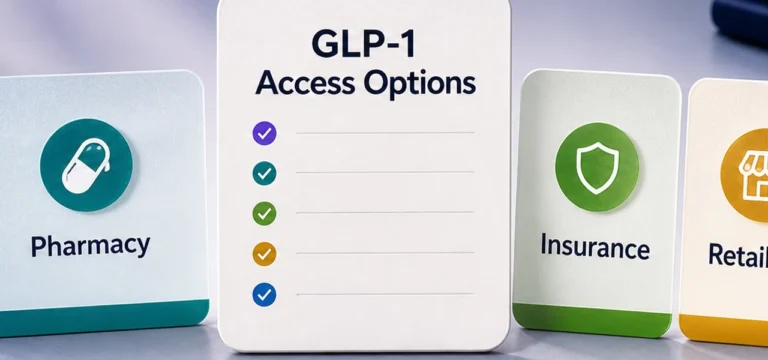
Before a prescription is written, the practical questions are usually eligibility, diagnosis, recent health information, how you plan to pay, and whether the medication can actually be filled or delivered where you live. Coverage and telehealth access can change what happens next, but the useful sequence is the same: confirm clinical fit, confirm payment requirements, confirm how the medication would reach you, then check what usually slows the first fill or next refill.
Review getting-started steps