
Scared to Buy New Clothes on Zepbound? You Are Not Alone Navigating the emotional hurdle of changing sizes and the deep-seated anxiety of weight regain.

Being scared to buy new clothes on Zepbound is a natural trauma response to years of dieting.
Many patients hold onto their larger clothes as a safety net because they fear the medication might stop working or they will lose insurance coverage.
Key Takeaways
- Holding onto larger clothes is a common emotional safety net.
- The anxiety is rooted in past dieting experiences and disappointment.
- Thrift stores and clothing rentals offer low-stress transitional options.
- Building trust in your new body takes time and patience.

Coach Claire Tip
Give yourself permission to feel this anxiety. You are unlearning years of deeply ingrained patterns, and that process requires immense self-compassion.
You step on the scale and see a number you have not seen in years. Yet, you are still swimming in your old, oversized shirts. Welcome to wardrobe purgatory. You need smaller sizes, but something is holding you back from actually making the purchase.
If you are scared to buy new clothes on Zepbound, you are experiencing a very common psychological hurdle. Years of chronic dieting have conditioned many of us to view weight loss as a fragile, temporary state.
This hesitation is rarely just about the cost of a new wardrobe. It is a protective instinct. Let us explore why this happens and how you can safely transition your closet without triggering panic.
Realizing that you are not along with this anxiety...
What people are reacting to
A quick look at online support groups reveals just how universal this anxiety really is.
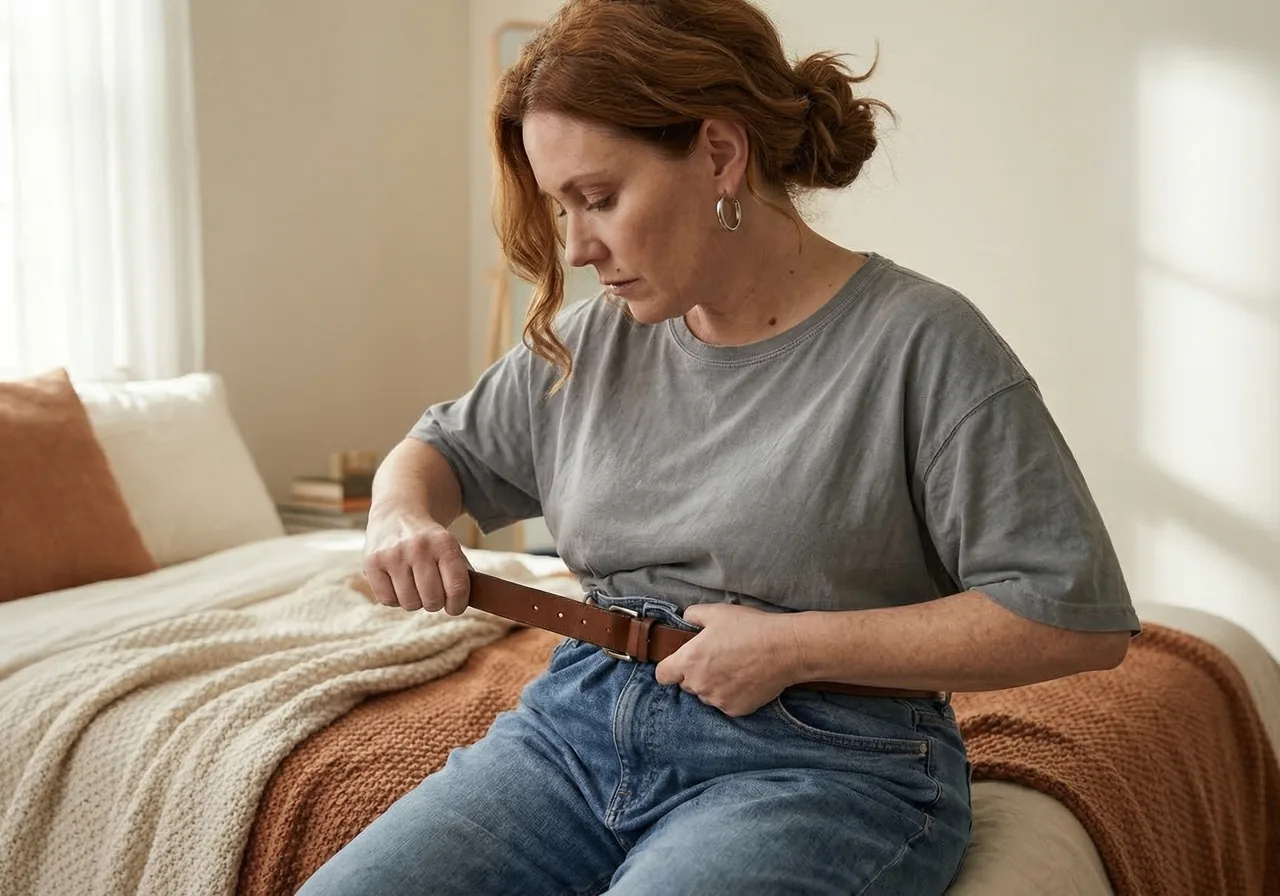
r/ZepboundI Basically Have Lost 40 Pounds And Im Too Scared
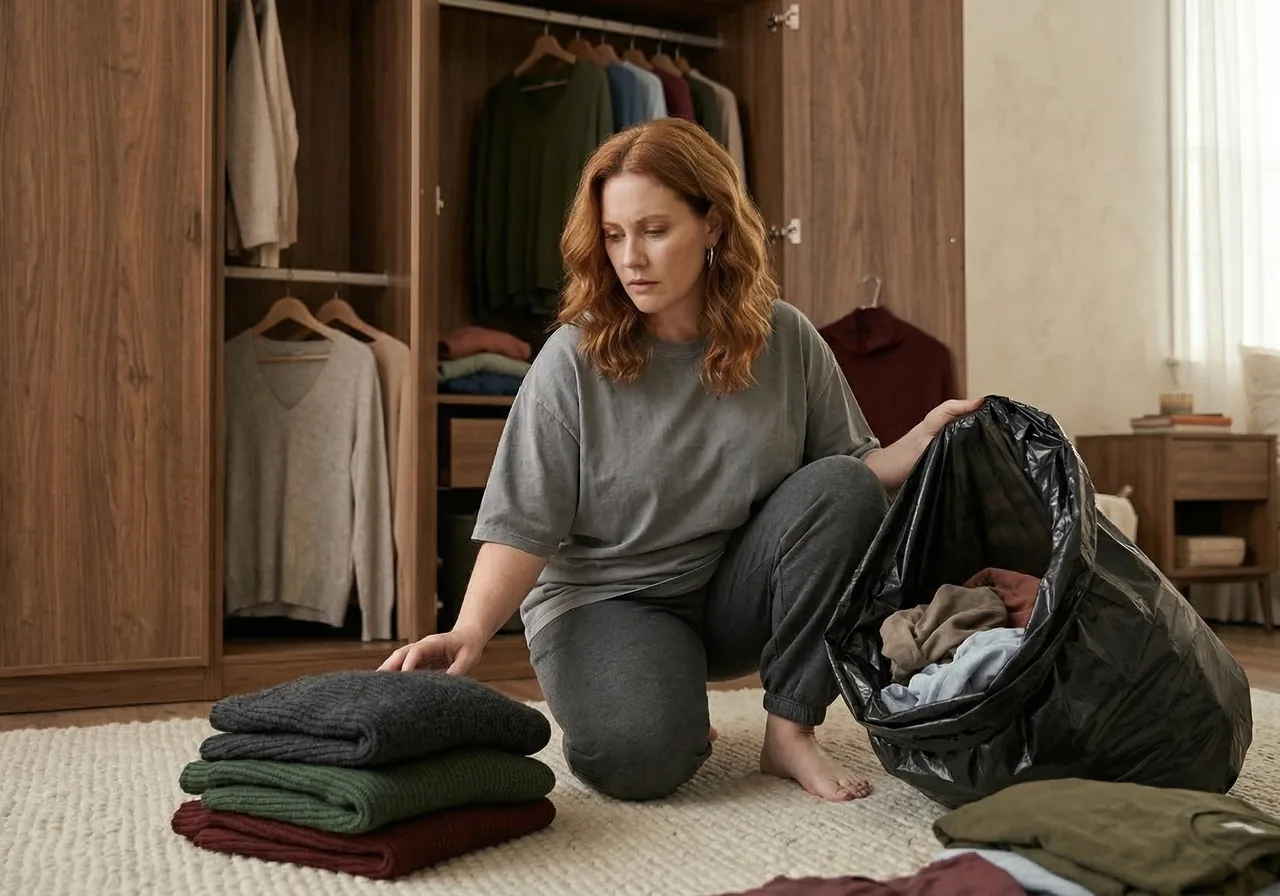
r/ZepboundAt What Point Do You Start Getting Rid Of Your
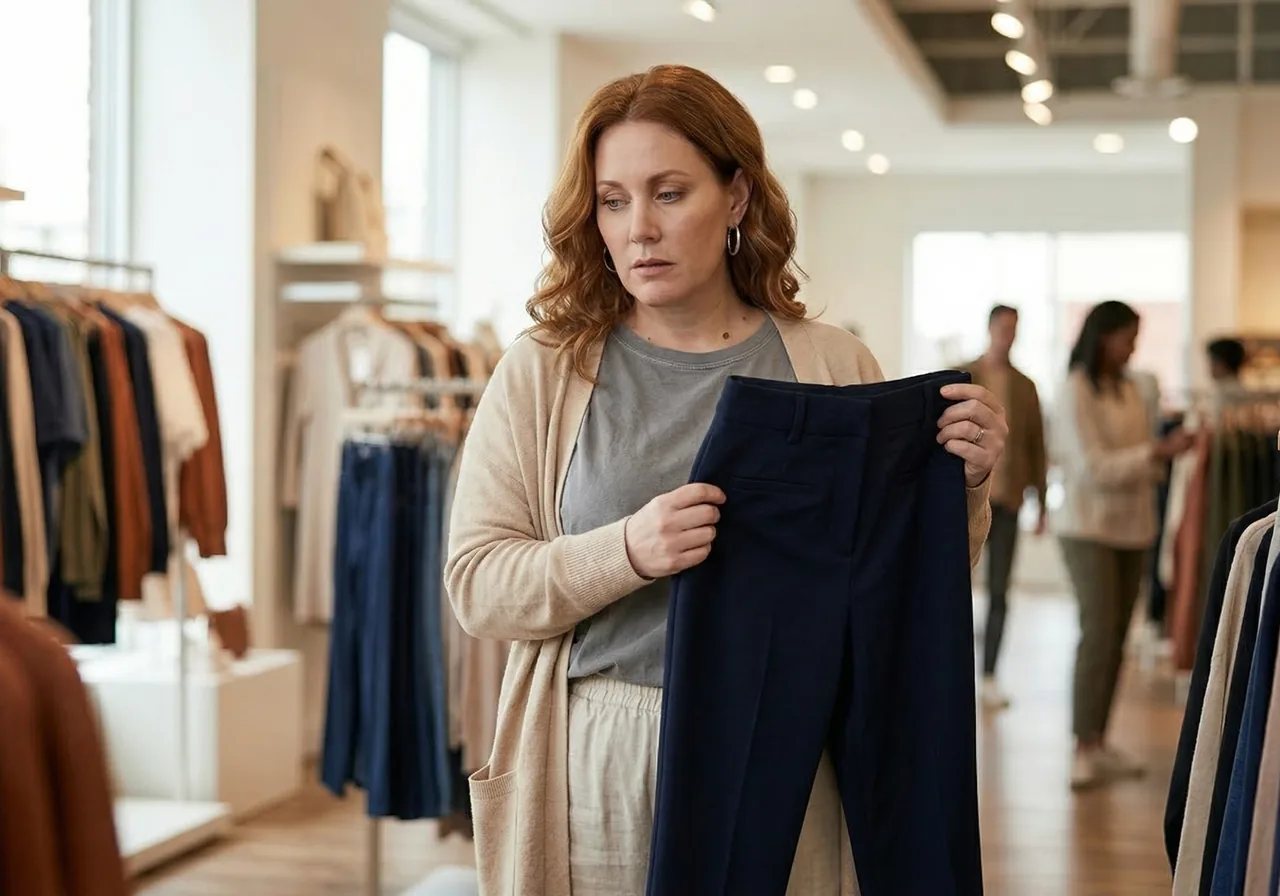
r/ZepboundAnyone Else Scared To Buy Clothes In New Size
What that usually means underneath
- Pattern 1: Keeping a hidden bin of larger clothes just in case the weight comes back.
- Pattern 2: Relying on cheap, transitional pieces from thrift stores to avoid financial guilt.
- Pattern 3: Expressing deep anxiety about insurance changes forcing a sudden end to treatment.
These are anonymized Reddit thread patterns, not medical evidence. FMG uses them to describe real-world tension, not to diagnose anyone.
The Editor's Take
This conversation reveals that holding onto old clothes is not about a lack of fashion sense. It is a physical manifestation of waiting for the other shoe to drop.
Why We Expect the Weight to Return
The fear of weight regain is a powerful psychological force. When you have spent decades trapped in a cycle of losing and gaining, your brain learns to expect the regain as an inevitable fact.
GLP-1 medications change your biology, but they do not instantly erase the emotional conditioning of the past.
The conflict usually sounds emotional before it sounds accurate.
| What They Say (The Friction) | What It Usually Signals |
|---|---|
| Refusing to donate baggy jeans. | Protecting yourself from the shame of having to buy larger sizes again. |
| Buying only cheap, temporary outfits. | Avoiding financial investment in a body size you do not trust will last. |
| Checking the scale obsessively before shopping. | Seeking constant reassurance that the medication is still working. |
The Yo-Yo Dieting Hangover: Your brain is trying to protect you from disappointment. Past experiences have taught you that weight loss is fragile. This protective mechanism makes it incredibly difficult to celebrate your current progress or invest in your new shape.
How to Navigate the Clothing Transition
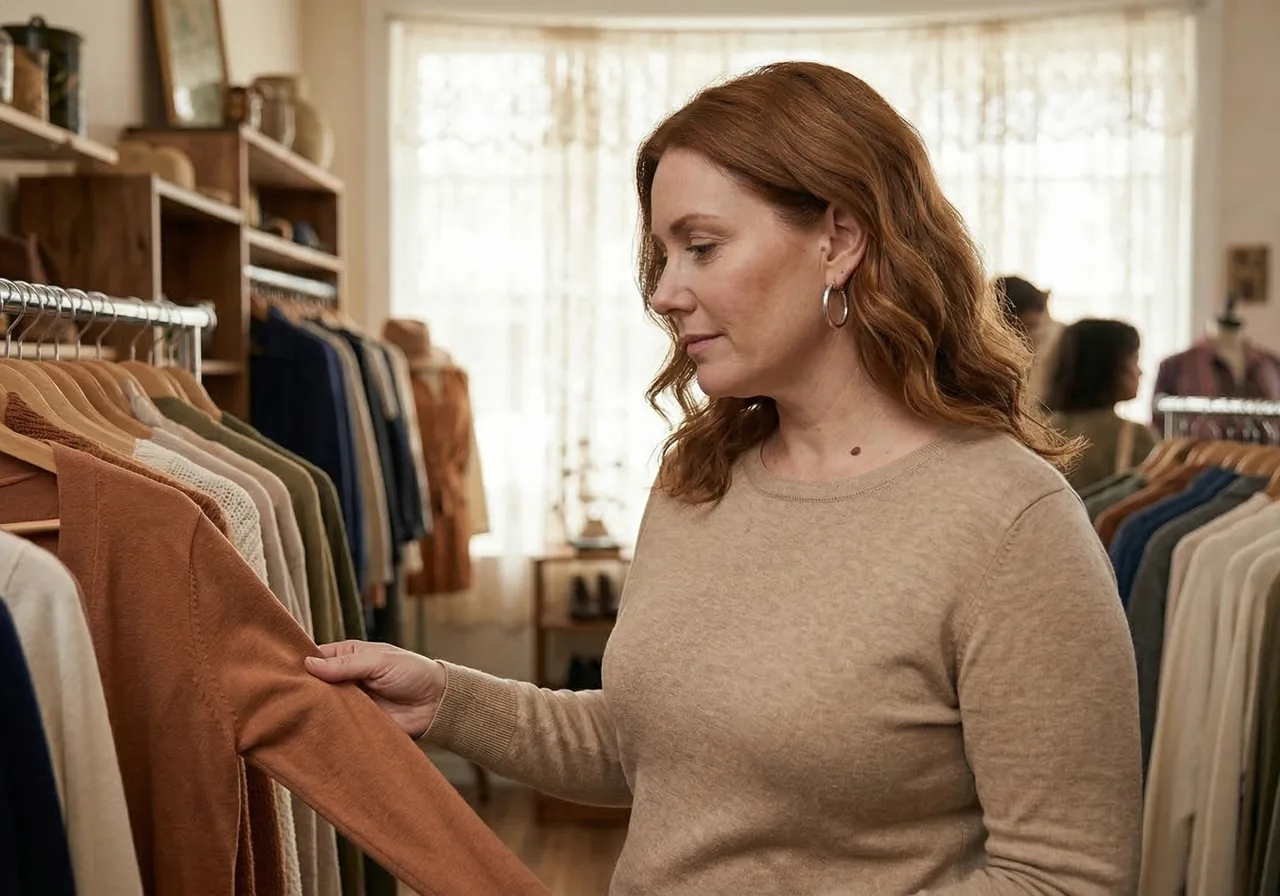
Figuring out when to buy new clothes does not have to be an extreme decision.
You can take small, manageable steps to update your wardrobe while respecting your need for emotional safety.
-
Name the exact change
Replace vague panic with a specific observation. Readers do better when they can describe what changed before they try to explain why.
"Something about this feels different lately. I am noticing it most in my mood, motivation, or day-to-day routine, and I want to pay attention to that clearly instead of brushing it off."
-
Protect one stabilizing routine
Do not overhaul everything at once. Keep one anchor that makes the day feel more recognizable while you assess the rest.
"I am keeping one steady routine on purpose right now so I can tell what is actually helping and what is making this harder."
-
Tell one person what is actually different
Use plain language with someone you trust. Good support starts with a clean description, not a dramatic headline.
"I do not need you to fix this, but I do want you to know what has changed for me so I am not carrying it alone or pretending it is nothing."
-
Escalate when function starts sliding
Once the shift starts affecting work, sleep, adherence, eating, or social function, lifestyle coping is no longer the whole answer.
"This is affecting my day-to-day functioning enough that I want to bring it to my clinician with a clear description instead of just hoping it passes."
The Phased Wardrobe Approach: Instead of a massive shopping spree, focus on acquiring a few key transitional pieces that make you feel good right now. Keep a small safety net if you need it, but start letting go of the items that actively drag down your confidence.
When The Conversation Needs Backup
Transitioning your closet is a deeply personal milestone on your health journey.
- If you are scared to get rid of fat clothes, remember that building trust in a GLP-1 treatment takes time. The medication is working on your biology, helping to quiet the food noise and regulate your appetite.
- As you continue your treatment, the physical changes will eventually start to feel more permanent. If you find yourself struggling with intense anxiety about your progress, it might be helpful to discuss these feelings with your healthcare provider.
- If symptoms, side effects, or a plateau are part of the stress load, start with GLP-1 side effects.
- You can also keep the handoff practical with Ozempic stopped working and switching from zepbound to wegovy when the emotional strain is overlapping with medication questions.
Your body is changing, and it is completely okay if your mind needs a little extra time to catch up.
Coach Claire's closing note
You do not need to minimize a real change just because it is hard to explain. Name what is happening, protect the routines that help, and bring in clinical support when the pattern starts affecting function.
Medical disclaimer: This content is for educational purposes only and is not medical advice, diagnosis, or treatment. Always consult a licensed healthcare professional before starting, stopping, or changing any medication or care plan.
References
- Reddit. r/Zepbound: Mental Hurdle. [top]
- Reddit. r/Zepbound: At What Point Do You Start Getting Rid Of Your. [top]
- Reddit. r/Zepbound: I Basically Have Lost 40 Pounds And Im Too Scared. [top]
- Reddit. r/Zepbound: I Know This Is Dumb If You Have This Problem Too. [top]
- Reddit. r/Zepbound: When To Start Buying New Clothes. [top]
- Reddit. r/Zepbound: Anyone Else Scared To Buy Clothes In New Size. [top]
- Reddit. r/minimalism: Mountains Of Clothes. [top]
- Glucagon‐like peptide‐1 receptor agonists, weight loss, and gastric emptying: have I <i>gut</i> news for you [top]
- Food Noise: Current Knowledge and Future Research Directions [top]
- CORRECTION: Ozempic v Mounjaro: what is the difference between semaglutide and tirzepatide? [top]
- Food insecurity, obesity and the cost-of-living crisis: An Introduction to the Special Issue in Appetite [top]
- Health Beliefs and Obesity Bias as Determinants of Attitudes Toward the Rising Tides of GLP-1 Medications: Mounjaro and Ozempic [top]
- Interhemispheric paired associative stimulation targeting the bilateral prefrontal cortex of subjects with obesity and food addiction modulates food-related emotional reactivity and associated brain activity [top]