
Why You Might Experience Tailbone Pain After Weight Loss Losing your built-in padding is a jarring physical milestone on GLP-1 medications.
Experiencing tailbone pain after weight loss is a normal mechanical result of losing the adipose tissue that previously cushioned your skeletal structure.
As your body composition changes on medications like Zepbound or Wegovy, you will likely need to adapt your posture and seating environment to accommodate your new biomechanics.
Key Takeaways
- Rapid fat loss removes the natural cushion around your glutes and tailbone.
- Hard chairs, bathtubs, and car seats often become unexpectedly painful.
- Side sleepers may also feel their knees and hips knocking together in bed.
- Using coccyx pillows and adjusting your posture can provide immediate relief.

Coach Claire Tip
Do not panic and assume you have developed a bone density issue. This is a structural adjustment phase. Your body simply needs time, and a little external help, to adapt to its new geometry.
You finally hit a major milestone on your GLP-1 journey, but instead of just celebrating, you are shifting uncomfortably in your office chair. Standard seats, car rides, and even your favorite spot on the couch suddenly feel like sitting on a pile of rocks.
If it hurts to sit after weight loss, you are experiencing a very common, albeit shocking, physical transition. For years, your body had a built-in layer of padding that protected your joints and bones from hard surfaces.
As that padding rapidly disappears, your skeletal structure is suddenly exposed to daily friction. It is a bizarre sensation that catches many people off guard, but there are practical ways to manage the discomfort while your body adjusts to its new shape.
When "tailbone pain after weight loss" stops feeling like a private thought
What people are reacting to
Scrolling through weight loss forums reveals a shared, almost comical shock among GLP-1 users. People expect to buy new clothes, but they do not expect to feel their own skeleton so acutely.
r/ZepboundIt Hurts To Sit
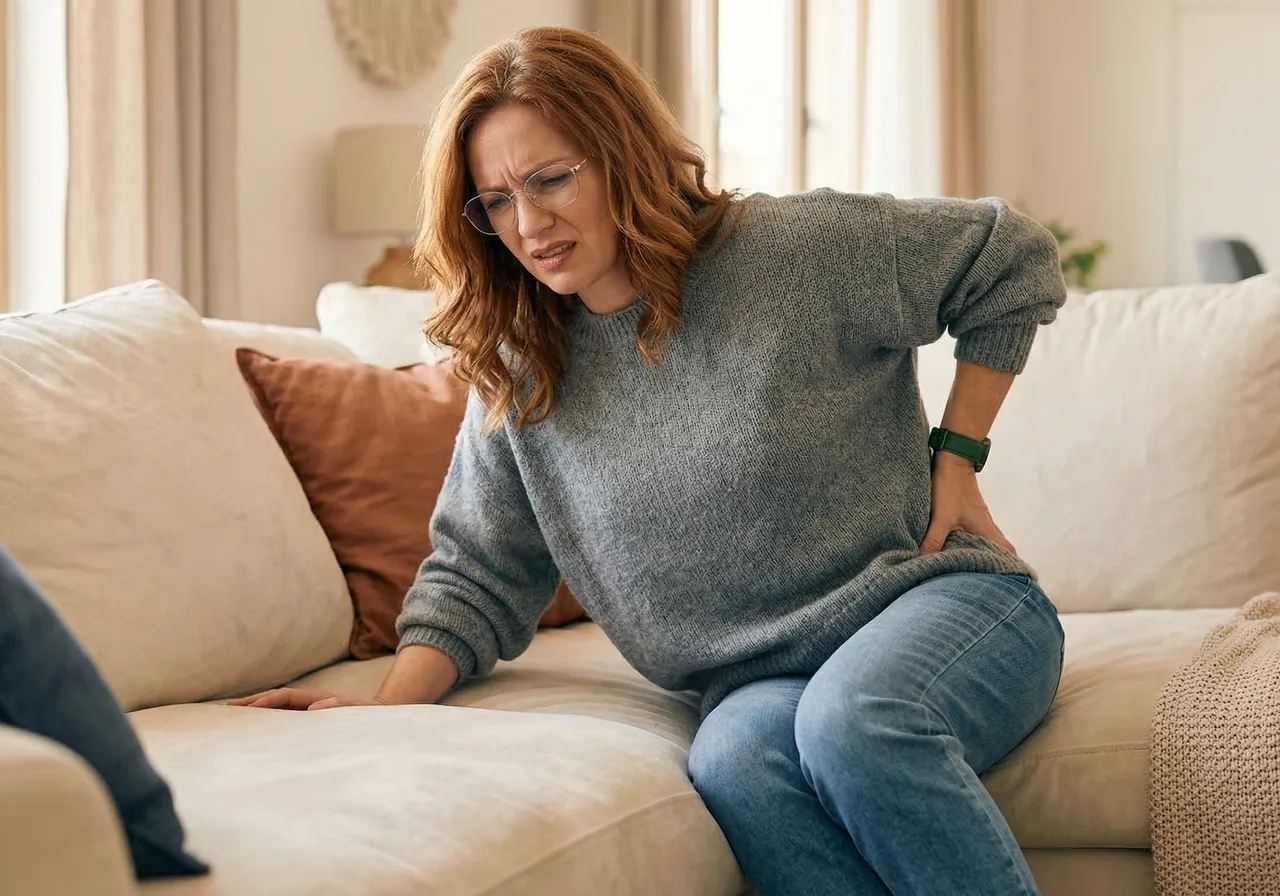
r/loseitSo I Have To Relearn How To Sleep
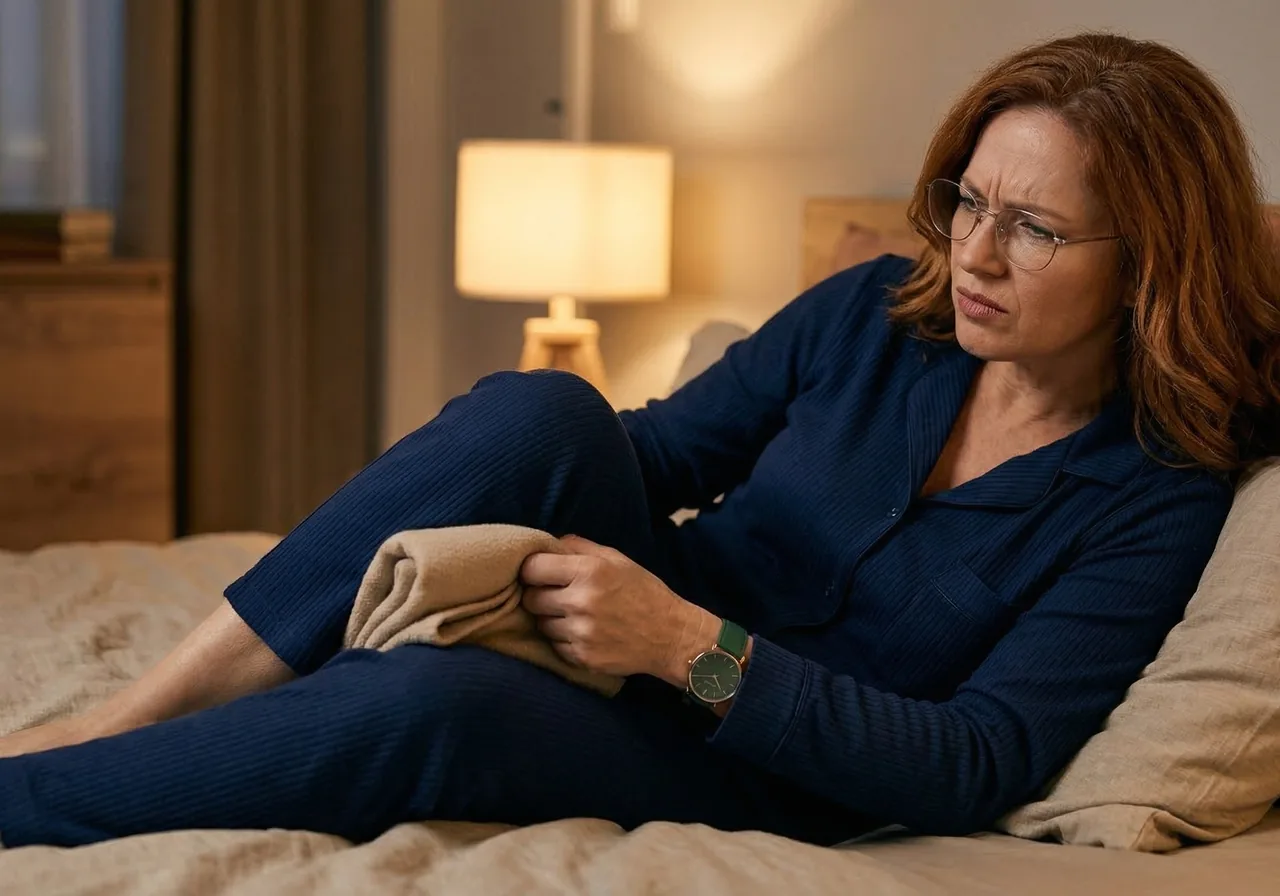
r/loseitTailbone Pain After Weight Loss

What that usually means underneath
- Pattern 1: Absolute shock at feeling their own skeletal structure for the first time, often describing themselves as a bag of bones.
- Pattern 2: Deep frustration that everyday environments like office chairs, bathtubs, and car seats are suddenly unbearable.
- Pattern 3: Eagerness to share practical workarounds, from buying specialized cushions to completely changing how they sleep.
These are anonymized Reddit thread patterns, not medical evidence. FMG uses them to describe real-world tension, not to diagnose anyone.
The Editor's Take
This shared discomfort highlights a profound physical reality of massive weight loss. You are not just shrinking in size. You are fundamentally changing how your body interacts with the physical world, requiring a completely new set of postural habits.
The Mechanics of Losing Your Padding
For decades, your body relied on a substantial layer of adipose tissue to absorb the impact of sitting, lying down, and moving through the world.
The sensation of feeling bones after weight loss happens because that protective barrier is suddenly gone. Your skeletal system is now bearing the direct weight of your body against hard surfaces.
The conflict usually sounds emotional before it sounds accurate.
| What They Say (The Friction) | What It Usually Signals |
|---|---|
| I cannot sit through a 30-minute meeting without shifting constantly. | Your coccyx is making direct contact with the chair without its usual fat pad. |
| Sleeping on my side wakes me up because my knees hurt. | The loss of inner thigh fat means your knee joints are resting directly on top of each other. |
| Taking a bath is suddenly miserable. | Your pelvis and spine are pressing directly against the hard porcelain. |
The Biomechanical Shock: Rapid weight loss outpaces your body's ability to build compensatory muscle. Before your glutes can strengthen to support your new frame, your tailbone is left entirely exposed to daily friction.
How to Sit and Sleep Comfortably Again
You cannot instantly regrow your natural padding, but you can change your environment to better support your new frame.
Managing the loss of fat cushion requires a mix of external support and intentional movement. Small adjustments to your daily routine can drastically reduce the friction on your joints and tailbone.
-
Name the exact change
Replace vague panic with a specific observation. Readers do better when they can describe what changed before they try to explain why.
"Something about this feels different lately. I am noticing it most in my mood, motivation, or day-to-day routine, and I want to pay attention to that clearly instead of brushing it off."
-
Protect one stabilizing routine
Do not overhaul everything at once. Keep one anchor that makes the day feel more recognizable while you assess the rest.
"I am keeping one steady routine on purpose right now so I can tell what is actually helping and what is making this harder."
-
Tell one person what is actually different
Use plain language with someone you trust. Good support starts with a clean description, not a dramatic headline.
"I do not need you to fix this, but I do want you to know what has changed for me so I am not carrying it alone or pretending it is nothing."
-
Escalate when function starts sliding
Once the shift starts affecting work, sleep, adherence, eating, or social function, lifestyle coping is no longer the whole answer.
"This is affecting my day-to-day functioning enough that I want to bring it to my clinician with a clear description instead of just hoping it passes."
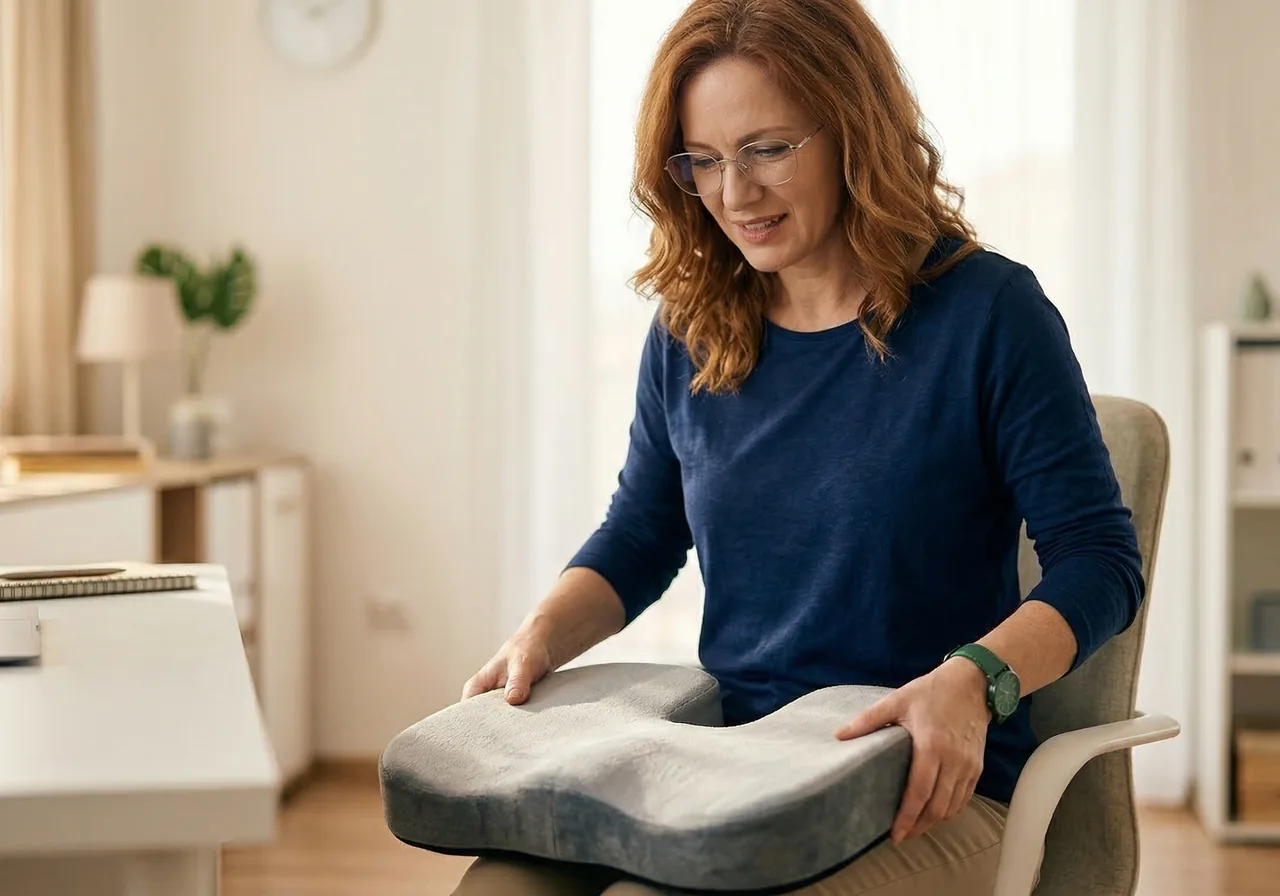
External Padding and Posture: Invest in ergonomic tools that replicate the cushioning you lost. Coccyx pillows, knee spacers, and targeted strength training can bridge the gap while your body settles into its new weight.

When The Conversation Needs Backup
Adjusting to your new body takes time, patience, and a willingness to change your daily habits.
- It is incredibly common to hear that a patient's tailbone hurts sitting on Zepbound or Wegovy. This is a direct mechanical result of the rapid fat loss these drugs facilitate, rather than a chemical reaction to the medication itself.
- If the pain persists despite using cushions, or if it radiates down your legs, it is worth mentioning to your healthcare provider to rule out any unrelated nerve issues.
- If symptoms, side effects, or a plateau are part of the stress load, start with GLP-1 side effects.
- You can also keep the handoff practical with switching from zepbound to wegovy and Ozempic stopped working when the emotional strain is overlapping with medication questions.
Your body is going through a massive structural transformation. Give yourself permission to buy the weird pillows, shift in your seat, and find new ways to get comfortable in your own skin.
Coach Claire's closing note
You do not need to minimize a real change just because it is hard to explain. Name what is happening, protect the routines that help, and bring in clinical support when the pattern starts affecting function.
Medical disclaimer: This content is for educational purposes only and is not medical advice, diagnosis, or treatment. Always consult a licensed healthcare professional before starting, stopping, or changing any medication or care plan.
References
- Reddit. r/Zepbound: It Hurts To Sit. [top]
- Reddit. r/Zepbound: Thin People Problems. [top]
- Reddit. r/Zepbound: Things No One Tells You About Losing A Lot Of. [top]
- Reddit. r/loseit: 100 Pounds Down And In Worse Pain Than Ever. [top]
- Reddit. r/loseit: So I Have To Relearn How To Sleep. [top]
- Reddit. r/loseit: Tailbone Pain After Weight Loss. [top]
- Reddit. r/loseit: Why Did No One Tell Me My Bones Would Feel. [top]
- Mounjaro: Online pharmacy is investigated after supplying fake weight loss pens [top]
- Facial aging after GLP-1 receptor agonist–induced weight loss: the emerging Ozempic face phenomenon [top]
- YR58MDW8V8 Patients Report Decreased Hunger, Appetite, and Cravings with the Use of GLP-1 Receptor Agonists for Suboptimal Weight Loss After Sleeve Gastrectomy [top]