

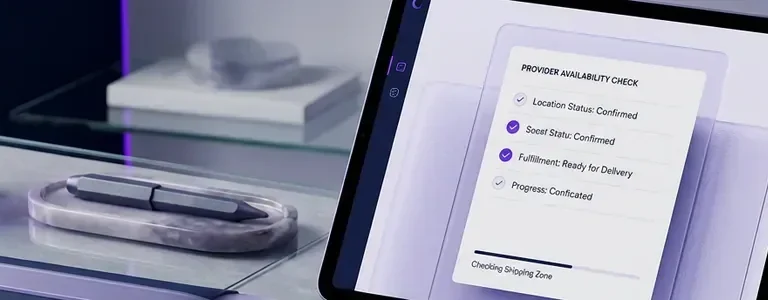
What this page helps you sort
Readers land here when something practical has changed: a refill stalled, renewal timing is unclear, a provider or program changed terms, records are missing, or pharmacy and delivery details need confirmation. A stalled refill may be administrative rather than clinical: a refill request or check-in, updated health information, clinician review, pharmacy or order processing, labs, shipping, renewal timing, payment checks, or whether the same price still applies can all affect the next fill. Start with the guide that matches the practical blocker, then confirm medical decisions with the prescribing clinician.
Start with the renewal question before assuming the care plan changed.
If you already have GLP-1 treatment history, the practical question is often whether a new visit, updated health information, records review, or refill timing check is needed. Separate renewal mechanics from medical changes before you compare a new program.
Review renewal basicsRecords can shorten the gap between providers.
Before a transfer or renewal review, collect dose history, recent labs if they are used for refill decisions, pharmacy details, prior authorization notes, and cancellation or billing timing. That gives the next care team context before they decide what is appropriate.
Request your recordsA refill problem is not always a dose problem.
Before you assume the treatment plan changed, check what the account page or support team lets you confirm: refill request or check-in, next refill date, shipment timing, renewal timing, cancellation window, and payment status.
Check availability detailsA new provider may need records before continuity is clear.
Changing care teams can change the refill timeline even when the treatment question is not changing. Collect the current prescription context and fulfillment details before you assume a new provider can renew without a fresh intake.
Prepare your recordsProgram changes are easier to handle when you separate access from care.
If a current option changed, gather records, confirm renewal timing, review cancellation windows, and compare provider details separately from medical questions. This keeps the next step practical without turning a logistics issue into guesswork.
Review next steps