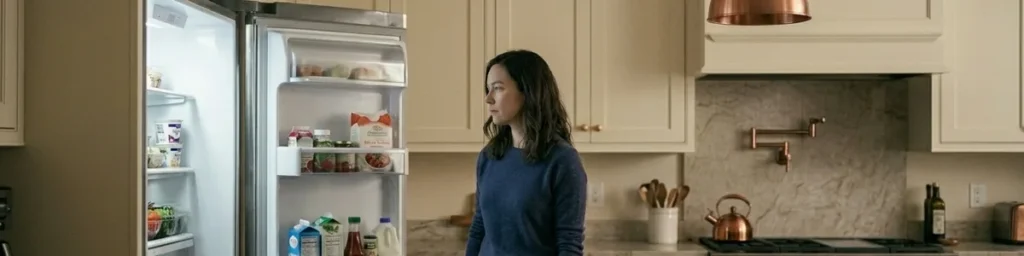
When Food Feels Different On Mounjaro Meals, leftovers, restaurants, and family routines can change faster than the rest of your life catches up.

When food feels different on Mounjaro, the adjustment is often practical and social before it is dramatic.
Many readers describe smaller portions, restaurant awkwardness, leftovers, and family meal routines that no longer fit as neatly as they used to.
Key Takeaways
- Changed portions can create guilt even when nothing is technically wrong with the meal.
- Restaurants, leftovers, and family cooking roles often need new defaults.
- Smaller orders, earlier takeout boxes, and clearer expectations reduce a lot of friction.
- If the change starts affecting nutrition or day-to-day function, bring that part to your clinician instead of guessing.

Coach Claire Tip
Make the environment fit the new routine: order smaller when possible, box leftovers early, and tell people at home the routine changed before dinner starts.
The strange part is not always the food itself. Sometimes it is the old routine around food: finishing the plate, getting full value at a restaurant, cooking the same amount for everyone, or planning social time around a meal size you no longer want.
That can feel surprisingly awkward. You may know you want less food and still feel bad leaving some behind, changing the order, or not participating the way everyone expects.
This page keeps the issue in that practical lane. If the routine changed faster than the habits around it, the first job is usually making the routine smaller and simpler.
When this stops feeling like a small adjustment
What people are reacting to
Across GLP-1 communities, readers keep returning to the same practical problems: food waste, restaurant norms, and household roles that no longer match what they want to eat.
r/MounjaroFinish Your Plate Anxiety And Leftovers

r/OzempicGuilt Of Wasting At Restaurants
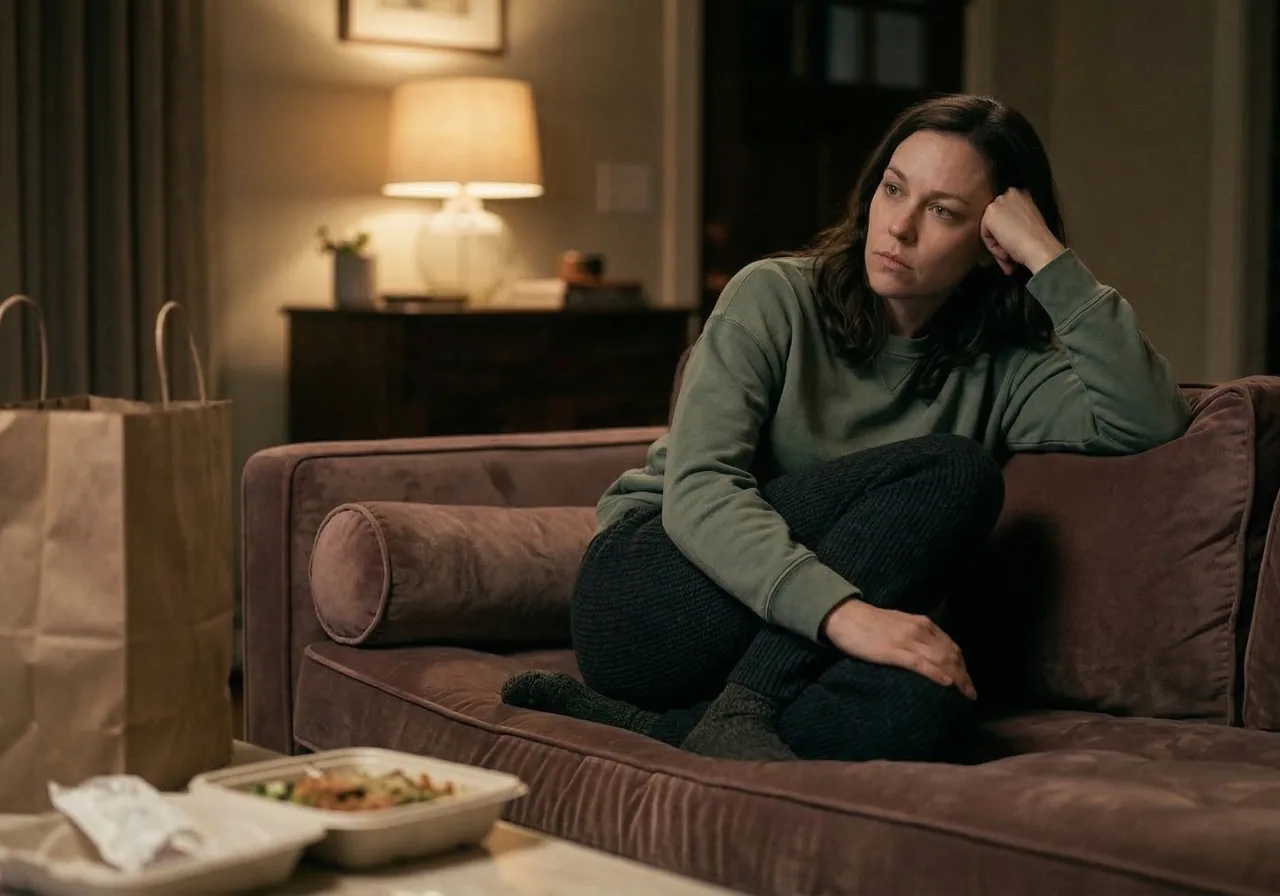
r/ZepboundDo You Still Cook For The Family

What that usually means underneath
- Pattern 1: Portion mismatch. The default amount served is larger than what the reader wants.
- Pattern 2: Restaurant mismatch. Eating out still follows old rules about value and cleanup.
- Pattern 3: Household mismatch. The family routine is still built around the old version of dinner.
These are anonymized Reddit thread patterns, not medical evidence. FMG uses them to describe real-world routine changes, not to diagnose anyone.
The Editor's Take
This is often less about food itself than about old meal rituals no longer matching what your day, plate, or social life actually looks like now.
Where the friction usually shows up
Plate-clearing rules, restaurant value math, and family cooking habits all have inertia. They keep running even after your actual portion size changes.
That is why the awkward part can show up in everyday places: a full plate at home, a giant entree at dinner, or the habit of cooking for everyone the same way you always have.
The problem often sounds like waste before it sounds like routine change.
| What They Say | What It Usually Signals |
|---|---|
| I hate leaving food on the plate. | The old portion expectation is still stronger than the new routine. |
| Dining out feels wasteful now. | Restaurant norms still assume a larger meal than the reader wants. |
| I'm still cooking the same amount for everyone. | The household system has not caught up to the new dinner reality. |
The Logistics Gap: The eating routine can change faster than the environment around it. When that happens, the fix is usually a smaller default, not more self-criticism.
Low-drama adjustments that help
You do not need a complicated system here. The most useful moves are usually small and visible: order less, box earlier, and stop treating leftovers like failure.
Make the routine easier before you try to make it feel normal again.

-
Start smaller than the old default
You can always add more. It is harder to keep negotiating with a plate that is already too large.
"Let's order one less thing and add more only if we need it."
-
Package leftovers early
An early box often ends the debate faster than staring at the plate for twenty minutes.
"I'm boxing part of this now so dinner stays simple."
-
Reset family expectations out loud
People usually adjust faster when they know the routine changed.
"I'm still eating with you. I just need smaller portions right now."
-
Escalate when it stops being just routine
If the issue starts affecting nutrition, energy, or normal day-to-day function, it is time to review it with your clinician.
"This is affecting how I'm eating enough or functioning normally, so I want to bring it in clearly."
What usually helps: Smaller defaults, earlier packaging, and clearer dinner expectations remove a surprising amount of pressure.
When the conversation needs backup
If the issue is really leftovers, waste, and food logistics, keep the handoff practical.
- For the waste and leftovers side of this problem, start with Overcoming The Guilt Of Wasting Food On GLP-1.
- If you want a cleaner explanation of the appetite and craving conversation, use What Is Food Noise? Biology, Brain Science & Treatments.
- If the change starts moving beyond routine and into intake or day-to-day function, bring the specifics to your clinician instead of trying to solve it from social commentary alone.
You do not need to force the old dinner routine just to prove you are handling this correctly.
Coach Claire's closing note
Make the routine smaller, clearer, and less loaded. Once the logistics calm down, the meal usually feels less dramatic too.
Medical disclaimer: This content is for educational purposes only and is not medical advice, diagnosis, or treatment. Always consult a licensed healthcare professional before starting, stopping, or changing any medication or care plan.