
GLP-1 Side Effects: The Timeline, The Risks, and The Real Remedies From Nausea to "Ozempic Face": The Comprehensive Medical Fact-Check


THE BOTTOM LINE
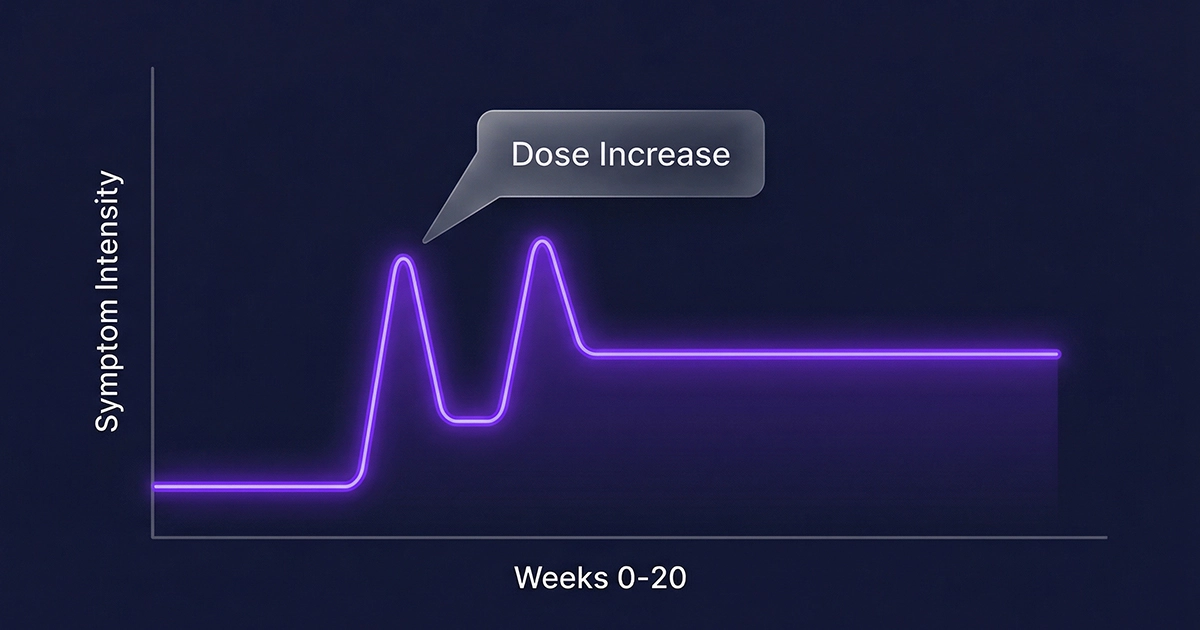
GLP-1 side effects are predominantly gastrointestinal, dose-dependent, and transient. Clinical data indicates that nausea affects approximately 44% of patients during the escalation phase but subsides as the body achieves its therapeutic window (tolerance)1. While most symptoms are nuisances managed by hydration and protein pacing, specific "Red Flag" pain patterns indicate rare but serious adverse events like Pancreatitis, Ileus, or Acute Kidney Injury.
- The Timeline: Symptoms peak during Weeks 1–8 (dose escalation) and stabilize by Month 4.
- The Big Risks: Pancreatitis (boring back pain), Gallbladder problems (sharp pain in ribs in upper right side of abdomen), and paralytic Ileus (bowel obstruction).
- The Surprise: Unexpected fertilization ("Ozempic Babies") and Telogen Effluvium (hair loss).
- The Fix: Management relies on specific protocols: prioritizing 1.2g/kg protein, specific electrolyte ratios, and slow titration.
Note: Women who are on oral contraceptives should be followed more closely by their health providers, as GLP-1s can decrease the effectiveness of that medication.

Coach Claire says
Terrified of hugging the toilet after taking a GLP-1? The horror stories on TikTok are enough to scare anyone. For most of us, the fear is louder than reality. The decision to start a GLP-1 often comes with a 'Self Permission Slip': when YOU decide relief from 'food noise' is worth the potential physical cost.
Understanding the side effects timeline is the difference between quitting in Week 2 and thriving in Month 6.
1. The Mechanism: Why Do You Feel Sick?
To manage the side effects, you must understand the biology. You are not experiencing "food poisoning" or a toxic reaction; you are experiencing a deliberate neurological mismatch between your stomach's status and your brain's perception.

GLP-1 (Glucagon-like peptide-1) is a hormone naturally secreted by the L-cells in your small intestine. When you inject a synthetic agonist (like semaglutide or tirzepatide), you are flooding your receptors with a signal that is typically only present after a massive banquet.
This triggers a two-front war on digestion:
-
A. The Vagus Nerve Trigger (The Brain)
The medication stimulates the Vagus Nerve, the superhighway connecting your gut to your brainstem. While this effectively signals "satiety" (fullness), the initial overstimulation is interpreted by the brain as nausea or malaise. It is a "false alarm" sent by a confused nervous system4. -
B. The "Ileal Brake" (The Stomach)
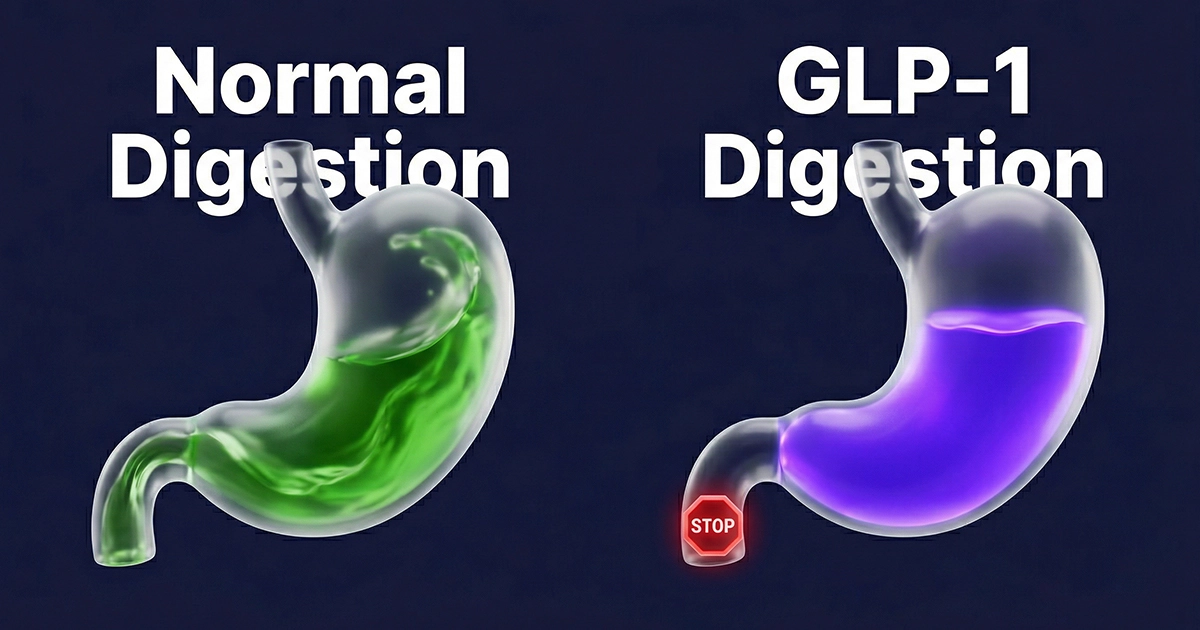
The drug drastically slows gastric emptying. Food remains in the stomach for hours (or even days) instead of minutes.
The Consequence: If you eat a high-fat meal (which digests slowly) while on a GLP-1 (which slows digestion further), you create a "traffic jam" in your stomach. The result can range from bloating, acid reflux, vomiting to painful constipation and poor nutrient absorption as the body tries to clear the backlog.
2. The Side Effect Timeline: What to Expect Week by Week
| Phase | Duration | Common Side Effects | Status |
|---|---|---|---|
| Immediate | Days 1–3 | Severe nausea, vomiting, decreased appetite, insomnia. | Peak Intensity |
| Early | Weeks 1–4 | Nausea (15–50%), diarrhea, bloating, headache, fatigue. | Adjustment |
| Mid-Term | Months 1–4 | Constipation (up to 35% in obesity trials), indigestion, heartburn. | Persistence |
| Long-Term | 6+ Months | Hair thinning, "Ozempic face" (facial fat loss), rare bone density concerns. | Maintenance |
The human body does not like sudden changes. Because these medications alter fundamental metabolic processes, the adaptation phase follows a predictable curve.
Key Milestones and Duration
- Nausea & Vomiting: Usually most frequent in the first 4–5 weeks. Median duration for nausea is roughly 8 days and vomiting 2 days per occurrence.
- Diarrhea: Typically emerges within the first 4 weeks and lasts a median of 3 days.
- Constipation: Can begin anytime in the first 16 weeks. It often persists longer than other GI symptoms, with a median duration of 35–47 days.
- Appetite Suppression: Noticeable within days; "food noise" often reduces immediately.
- Weight Loss: Modest in month 1 (5–10 lbs); becomes more significant by months 3–6.
3. The Gastrointestinal Survival Guide
Stomach issues are the price of admission for GLP-1 therapy. However, distinguishing between "Normal Nuisance" and "Medical Emergency" is vital.
The "Bathroom Seesaw": Constipation vs. Diarrhea
Patients often swing between these two extremes based on diet and hydration.
Constipation (The Primary Driver)
GLP-1s slow intestinal transit, allowing the colon to absorb more water from the stool. This leads to hard, impacted stools.
- The Fix: Hydration alone is insufficient. You need an osmotic laxative (like Polyethylene Glycol/Miralax) or Magnesium Citrate to draw water back into the bowel.
- The Fiber Trap: Do not simply load up on psyllium husk (fiber) without massively increasing water, as this can create a fecalith in a slow-moving gut.
Diarrhea (The Dietary Punishment)
Diarrhea is rarely a direct effect of the drug itself but rather a consequence of eating high-fat or sugary foods. It is important to note the key differences of Dumping Syndrome and typical GLP-1 Side Effects:
| Dumping Syndrome | GLP-1 Side Effects |
|---|---|
| MechanismFood moves too fast into the intestine. | MechanismFood moves too slow out of the stomach. |
| Common TriggerHigh sugar or simple carbs. | Common TriggerHigh fat, grease, or overeating. |
| Blood SugarCauses low blood sugar (late dumping). | Blood SugarGenerally stabilizes blood sugar. |




The Fix: Eliminate fried foods and sugary drinks. Follow the "BRAT" diet (Bananas, Rice, Applesauce, Toast) temporarily until symptoms subside.
The "Sulfur Burp" Phenomenon
One of the most socially embarrassing side effects is eructation with a rotten-egg odor.
- Mechanism: Because food sits in the stomach for 12+ hours, bacteria begin to ferment it, producing hydrogen sulfide gas8.
- Protocol:
- Avoid high-sulfur foods (Eggs, Red Meat, Dairy, Broccoli) 24 hours before injection.
- Use Bismuth Subsalicylate (Pepto-Bismol), which binds to the sulfide gas and neutralizes the odor. NOTE: Although considered relatively safe, Pepto-Bismol should not be taken more than two days in a row without consulting your prescribing doctor, as Subsalicylate (aspirin) can interfere with absorption of other medication and even lead to hypoglycemia in Diabetics.

4. The "Red Flag" Pain Guide: Hurt vs. Harm
Pain is a signal. Here is how to decode it.
| Signal | Pain Location | Description | Probable Cause | Action Level |
|---|---|---|---|---|
| Green signal | Upper Center | Burning, gnawing. | Acid Reflux (GERD) | Treat at Home (Antacids). |
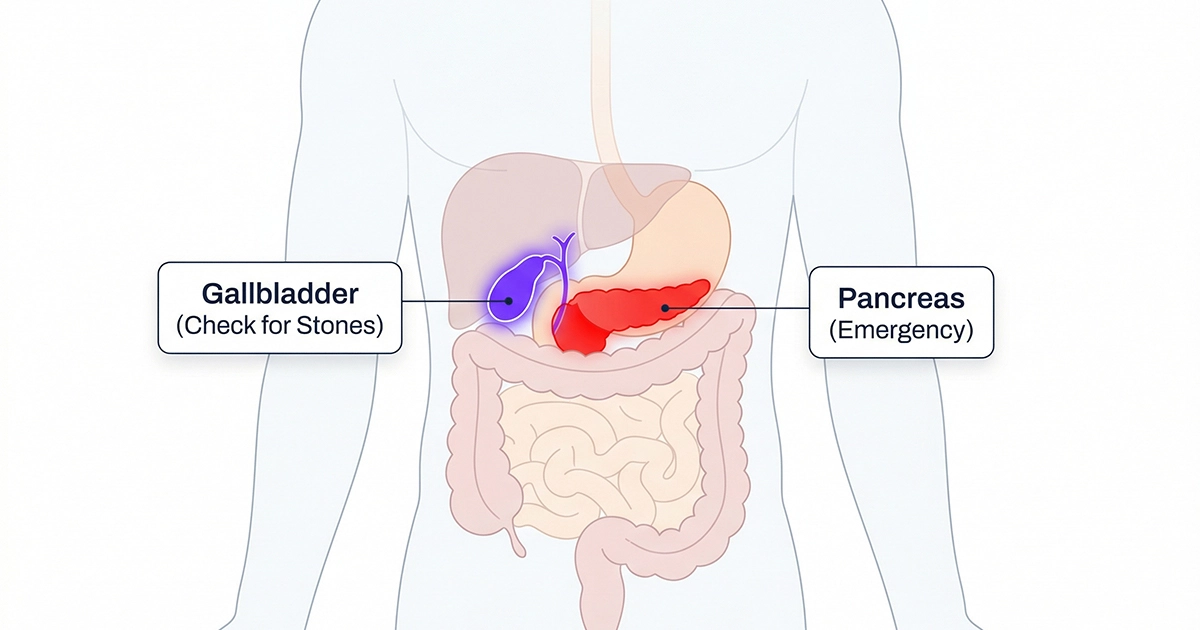
| Yellow signal | Upper Right Ribs | Sharp, cramping, esp. after fatty food. | Gallbladder (Stones) | Medical Evaluation (Ultrasound). |
| Red signal | Radiating to Back | "Boring" pain going through to the spine. | Pancreatitis | EMERGENCY ROOM. |
| Red signal | Lower Abdomen | Hard distension, no gas passing. | Ileus (Blockage) | URGENT CARE. |
| Yellow signal | Mid-Back/Flank | Dull ache + low urine output. | Acute Kidney Injury | Medical Evaluation. |



Deep Dive: Pancreatitis
While rare, inflammation of the pancreas is a known risk. The pain is distinct: it is not "crampy" or "bloated"—it feels like being stabbed with a spear that goes through to your back. If this occurs, stop the medication and contact your provider IMMEDIATELY.
Deep Dive: The "Ileus" Update
In late 2023, the FDA updated the Ozempic label to include "Ileus" as a potential adverse reaction5. An ileus is a temporary paralysis of the bowel muscle. Unlike constipation, where you have the urge but cannot go, an ileus presents with no urge, a silent gut, and painful distension.
5. Renal Risks: Dehydration & Kidneys
An often-overlooked side effect is Acute Kidney Injury (AKI). The drug does not attack the kidneys directly; rather, the side effects create a perfect storm for dehydration.
- The Cycle: Nausea reduces fluid intake. Diarrhea/Vomiting increases fluid loss. The result is hypovolemia (low blood volume), which stresses the kidneys.
- The Signs: Dark urine, dizziness upon standing, infrequent or small amounts of urine output, and mid-back flank pain.
- The Fix: If you cannot keep fluids down due to vomiting, you must seek medical help for receiving IV fluids to protect your kidneys2.
6. Systemic Changes: Neuropathic Skin Pain, Thermoregulation, and Lipoatrophic Face
Fancy terms for Metabolic Changes
The drug affects more than just the gut; it changes how your body systems self-regulate.
"Ozempic Face"
"Ozempic Face" is not a toxic side effect; it is a physics problem. Your face relies on fat pads for structure. When you lose weight rapidly (>2 lbs/week), these fat pads deflate faster than your skin's collagen matrix can retract, causing a sagging appearance.
Prevention: Slow down. Titrate your dose to aim for 0.5% - 1% body weight loss per week.
Cold Intolerance
Many patients report feeling freezing cold, even in warm rooms. This is a result of losing insulating body fat and a lowering of the metabolic set point.
Management: Layered clothing and warm beverages. This usually persists as long as you are in a caloric deficit.
Allodynia (Skin Pain)
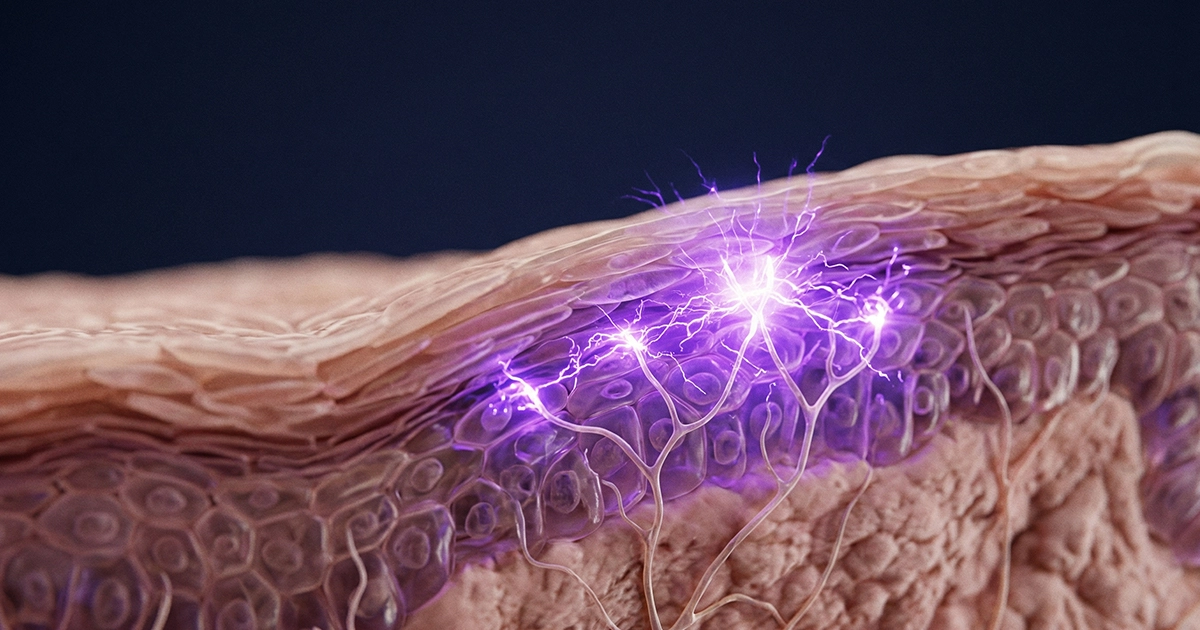
A rare but reported side effect is sensitive skin or "sunburn sensation" without a rash. This is believed to be a hypersensitivity reaction of the surface nerves. It typically resolves on its own but can be uncomfortable.
7. The Hair Loss Crisis: Telogen Effluvium
Around Month 3 or 4, many patients panic as they notice clumps of hair in the shower drain.
Why Does this Happen?
This is a condition called Telogen Effluvium. It is not a reaction to the drug itself, but a reaction to metabolic stress.
- Shock: The body perceives rapid weight loss and caloric restriction as a "famine."
- Conservation: To save energy, the body shifts hair follicles from the Anagen (growth) phase to the Telogen (resting) phase.
- Shedding: About 3 months later, these resting hairs fall out simultaneously6.
The Fix
- Protein: Ensure you are hitting 1.2g/kg of protein daily. Hair is made of keratin (protein); if you are protein-deficient, hair is the first thing the body abandons.
- Patience: This condition is temporary. Once weight stabilizes, the hair will regrow without intervention.

8. The Fertility Surprise: "Ozempic Babies"
An emerging phenomenon reported by clinicians is the failure of oral contraceptives (birth control pills) while on GLP-1s, leading to unplanned pregnancies.
Why Does This Happen?
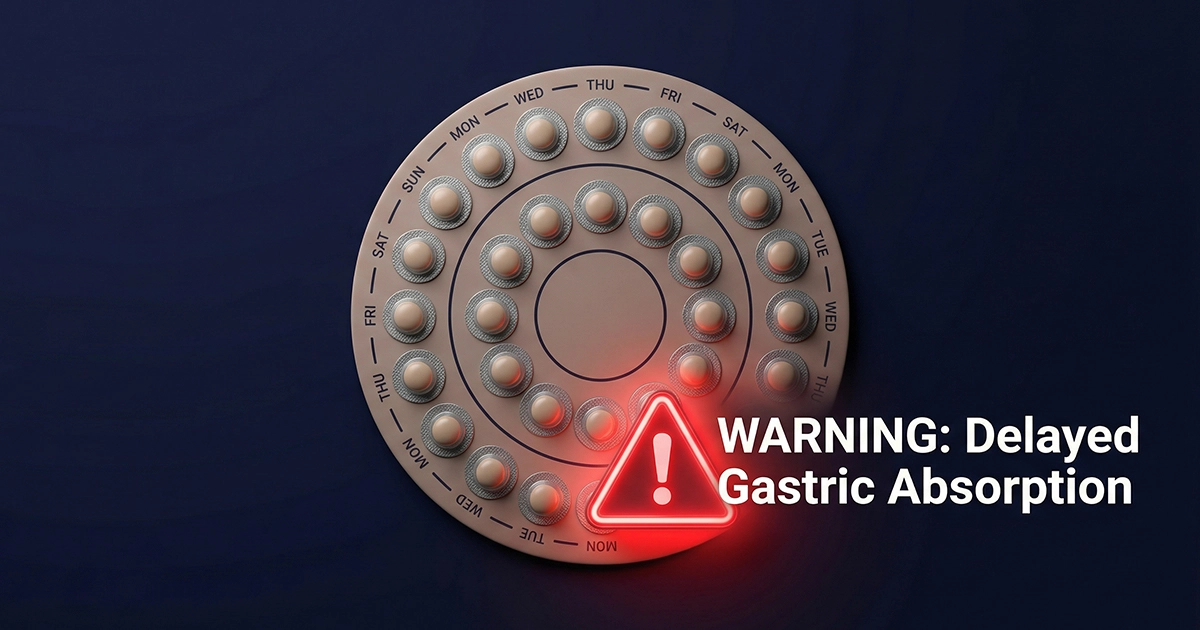
- Absorption Lag: Because GLP-1s delay gastric emptying, birth control pills may remain in the stomach longer than intended. This can alter the peak concentration of the hormones in your blood, rendering the pill less effective.
- Restored Fertility: Obesity often suppresses ovulation (as seen in PCOS). As patients lose weight and insulin sensitivity improves, ovulation can spontaneously return—often hyper-effectively—catching patients off guard.
The Editor's Protocol: If you are of childbearing age and are on an oral birth control, use a backup barrier method (condoms) during the first 4 weeks of GLP-1 treatment and for 4 weeks following any dose increase.
9. Mental Side Effects: Anhedonia & The Blues
While silencing "food noise" is the primary benefit, the mechanism can sometimes overshoot.
Anhedonia (The "Blahs")
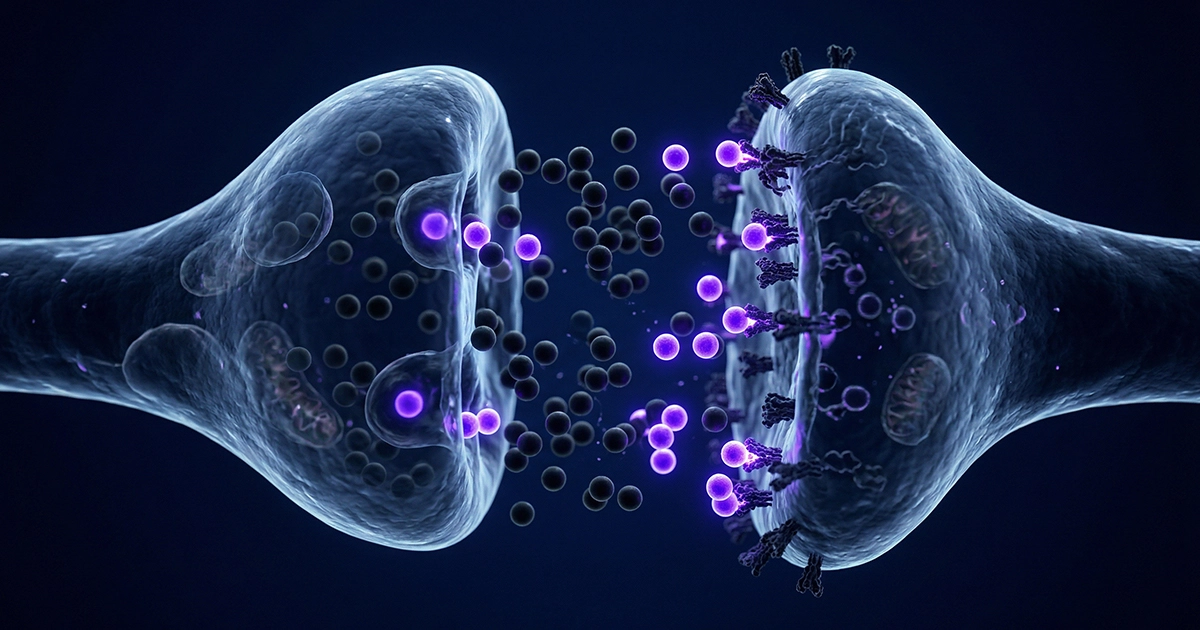
The dopamine pathways that GLP-1s modulate to reduce cravings are the same pathways that process reward for other activities. Some patients report Anhedonia: a reduced ability to feel pleasure from hobbies, socializing, or even libido.
Management: This often resolves as the dose stabilizes. If it persists, discuss lowering the dose with your provider. You do not need to be on the maximum dose to lose weight.
Suicidal Ideation: The Watchlist
The FDA has been monitoring reports of suicidal thoughts. While a preliminary 2024 review found no clear causal link, the agency maintains active surveillance9.
- Action: If you have a history of depression, monitor your mood closely during titration. If you feel a sudden shift in mood, discontinue the medication and seek help immediately.
10. The Nurse's Toolkit: Harm Reduction Protocols
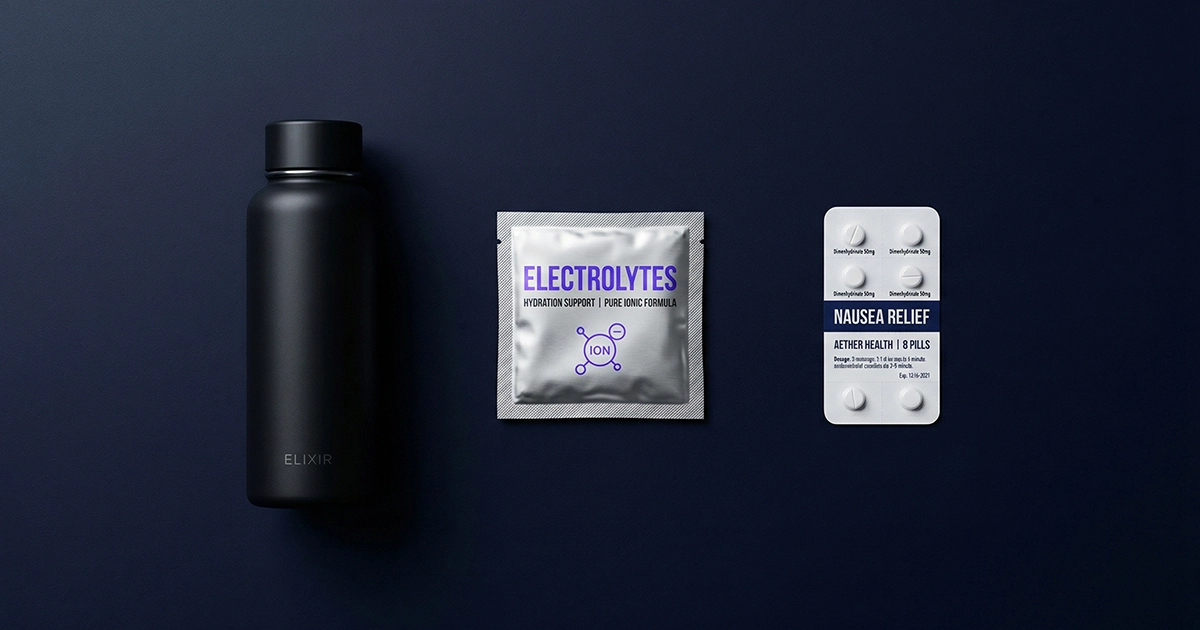
Coach Claire Tip: "I keep a 'Crash Kit' in my purse. It’s got alcohol pads for nausea, electrolyte powder, and a tiny pill case with Zofran. Being prepared stops the anxiety loop."
Here is the clinical "Harm Reduction" protocol for your kit:
-
The Nausea "Reset" Button
A randomized controlled trial published in the Annals of Emergency Medicine found that inhaling isopropyl alcohol vapor was more effective than placebo for halting acute nausea in emergency departments3.
How: Rip open a standard alcohol prep pad. Take 3 deep sniffs through your nose.
-
Prescription Zofran (Ondansetron) Rules
Zofran is a miracle for nausea, but it paralyzes the gut further.
The Rule: For every Zofran pill you take, you must take a stool softener (like Colace) or a dose of Miralax. Otherwise, you are trading nausea for severe constipation.
-
Electrolyte Ratios
Water is not enough. GLP-1s have a diuretic effect and cause the elimination of fluids AND electrolytes, like sodium and potassium. These are critical for homeostasis.
The Mix: Look for electrolyte powders with at least 200mg Sodium and 100mg Potassium per serving. Avoid high-sugar sports drinks.
If you suddenly experience a new pain or side effect, carry a sticky note or index card with the Red and yellow flags, as well as your Prescriber's contact information. Refer to it for guidance and if necessary, contact your Provider.
11. The Rebound: What Happens When You Stop?
The most significant "side effect" might happen after you quit.
The Biology of Rebound
GLP-1 is a longterm treatment for a chronic disease (Obesity). When the medication is stopped:
- Appetite Returns: The "food noise" often returns louder than before.
- Gastric Speed: The stomach empties at normal speed again.
- Metabolic Lag: If you lost muscle mass (Sarcopenia), your metabolism is slower than when you started.
The Data
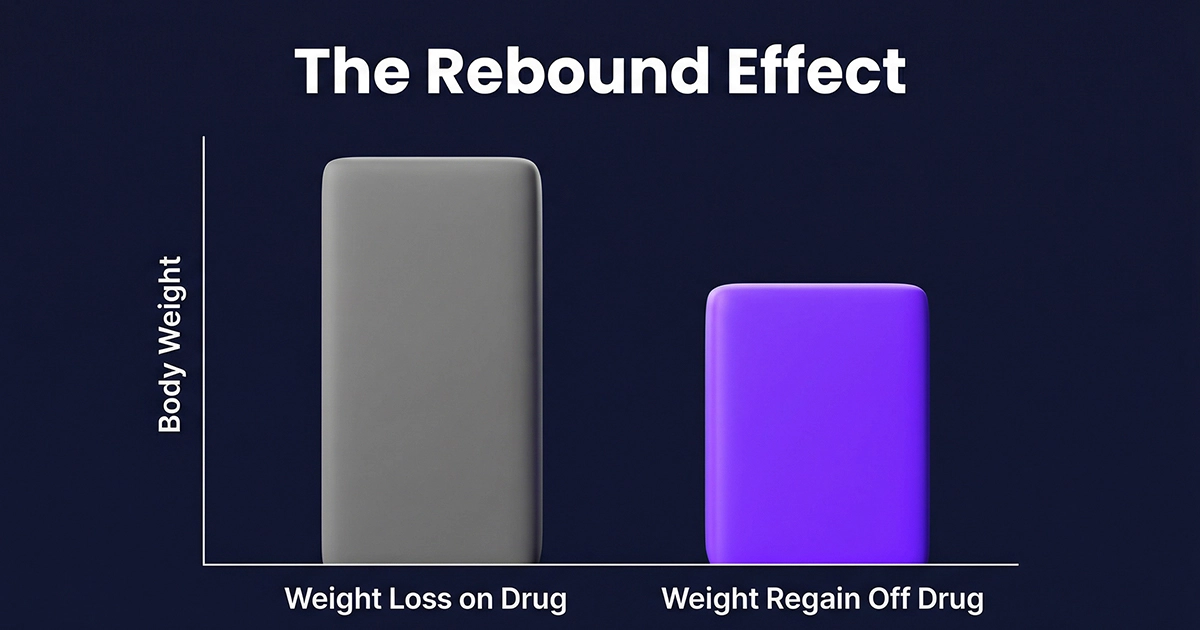
In the STEP 1 extension study, participants who stopped semaglutide regained two-thirds of their lost weight within one year1.
- The Strategy: Do not stop "cold turkey." Work with your provider to taper down to a maintenance dose. If you must stop, ensure your protein intake and resistance training are optimized to protect your metabolic rate.
12. ⚠️ Surgical Warning: The Aspiration Risk
If you are scheduling any surgery requiring anesthesia (even a colonoscopy or dental sedation), you must inform your anesthesiologist that you are on a GLP-1 agonist.
The Risk: Because the drug retains food in the stomach, patients are at high risk of aspiration (inhaling) under anesthesia, even after fasting for the standard 8-12 hours.
The Guidelines: The American Society of Anesthesiologists (ASA) recommends holding daily GLP-1s for the day of the procedure, and holding weekly injections (like Wegovy/Ozempic) for one week prior to the procedure10.
Conclusion
The journey to metabolic health is rarely a straight line. Side effects like nausea and fatigue are the "tax" we pay for silencing the food noise, but they should not bankrupt your joy or your health.
Empower yourself by understanding the timeline, respecting the biology, and avoiding dangerous shortcuts like pen-splitting, you can navigate these hurdles safely.
COACH CLAIRE SIGN-OFF
"Listen to your body, but don't let it bully you. If you’re feeling rough, check the toolkit: Have you hydrated? Did you eat enough protein? Have you been getting enough sleep? You’re rewiring your biology, and that takes energy. Be patient with the process, and don't hesitate to call your provider if something feels 'off.' You’ve got this."
Coach Claire's Cheat Sheet
Quick definitions used in this article.
- Anhedonia
- A reduced ability to feel pleasure in activities you usually enjoy; a rare side effect linked to the dopamine regulation of GLP-1s.
- Eructation
- The act of belching or burping.
- Fecalith
- Dry, hard, rock-like blockage.
- Homeostasis
- The internal stability of your body.
- Ileus
- A painful condition where the bowel temporarily stops contracting, causing a blockage that prevents food or gas from passing through.
- Pancreatitis
- Inflammation of the pancreas, an organ that aids digestion; often signaled by severe stomach pain that radiates to the back.
- Sarcopenia
- The involuntary loss of skeletal muscle mass and strength, which can happen if you lose weight too quickly without eating enough protein.
- Tachyphylaxis
- A medical term for "tolerance"—when your body gets used to a medication so that side effects (like nausea) decrease over time.
- Telogen Effluvium
- A form of temporary hair loss caused by stress, shock, or traumatic events (like rapid weight loss) to the body.
- Vagus Nerve
- The main "superhighway" nerve connecting your brain to your gut; it controls digestion and is responsible for sending nausea signals.
Frequently Asked Questions
How long does GLP-1 nausea last?
Nausea is typically most severe during the first 8–12 weeks of treatment (the escalation phase). Most patients report a significant reduction in symptoms once they reach a stable maintenance dose and the body adapts.
Can I stop "Ozempic Face" from happening?
"Ozempic Face" is caused by rapid fat loss, not the drug itself. The best prevention is to titrate your dose slowly, aiming for a weight loss rate of 1–2 pounds per week to allow skin time to retract.
Is gastroparesis from GLP-1s permanent?
Current clinical data suggests that medication-induced delayed gastric emptying is typically reversible upon discontinuation of the drug, unlike the permanent gastroparesis associated with long-term diabetes damage8.
Why do I have sulfur burps?
Sulfur burps occur when food remains in the stomach for extended periods, allowing bacteria to ferment it and produce hydrogen sulfide gas. Avoiding high-sulfur foods like eggs and broccoli can help manage this side effect.
Will I lose my hair on Wegovy/Zepbound?
You may experience temporary shedding (Telogen Effluvium) due to the metabolic stress of weight loss, usually around month 3-4. It is typically reversible and not permanent.
References
- Wilding, J.P.H., et al. (2021). Once-Weekly Semaglutide in Adults with Overweight or Obesity (STEP 1). New England Journal of Medicine. [top]
- Novo Nordisk. (2021). Wegovy (semaglutide) Prescribing Information. FDA.gov. [top]
- Beadle, K.L., et al. (2016). Isopropyl Alcohol Nasal Inhalation for Nausea in the Emergency Department: A Randomized Controlled Trial. Annals of Emergency Medicine. [top]
- Janssen, P., et al. (2018). Review of the mechanism of action of GLP-1 receptor agonists. Diabetes, Obesity and Metabolism. [top]
- FDA. (2024). Medications Containing Semaglutide Marketed for Type 2 Diabetes or Weight Loss. FDA.gov. [top]
- American Academy of Dermatology. (n.d.). Hair loss: Who gets and causes. AAD.org. [top]
- Smits, M.M., et al. (2021). The safety of GLP-1 receptor agonists. Expert Opinion on Drug Safety. [top]
- Kalra, S., et al. (2023). GLP-1 receptor agonists and gastroparesis. Diabetes Therapy. [top]
- FDA. (2024). Update on FDA's ongoing evaluation of reports of suicidal thoughts or actions. FDA.gov. [top]
- American Society of Anesthesiologists. (2023). Consensus-Based Guidance on Preoperative Management of Patients on Glucagon-Like Peptide-1 (GLP-1) Receptor Agonists. ASAHQ.org. [top]